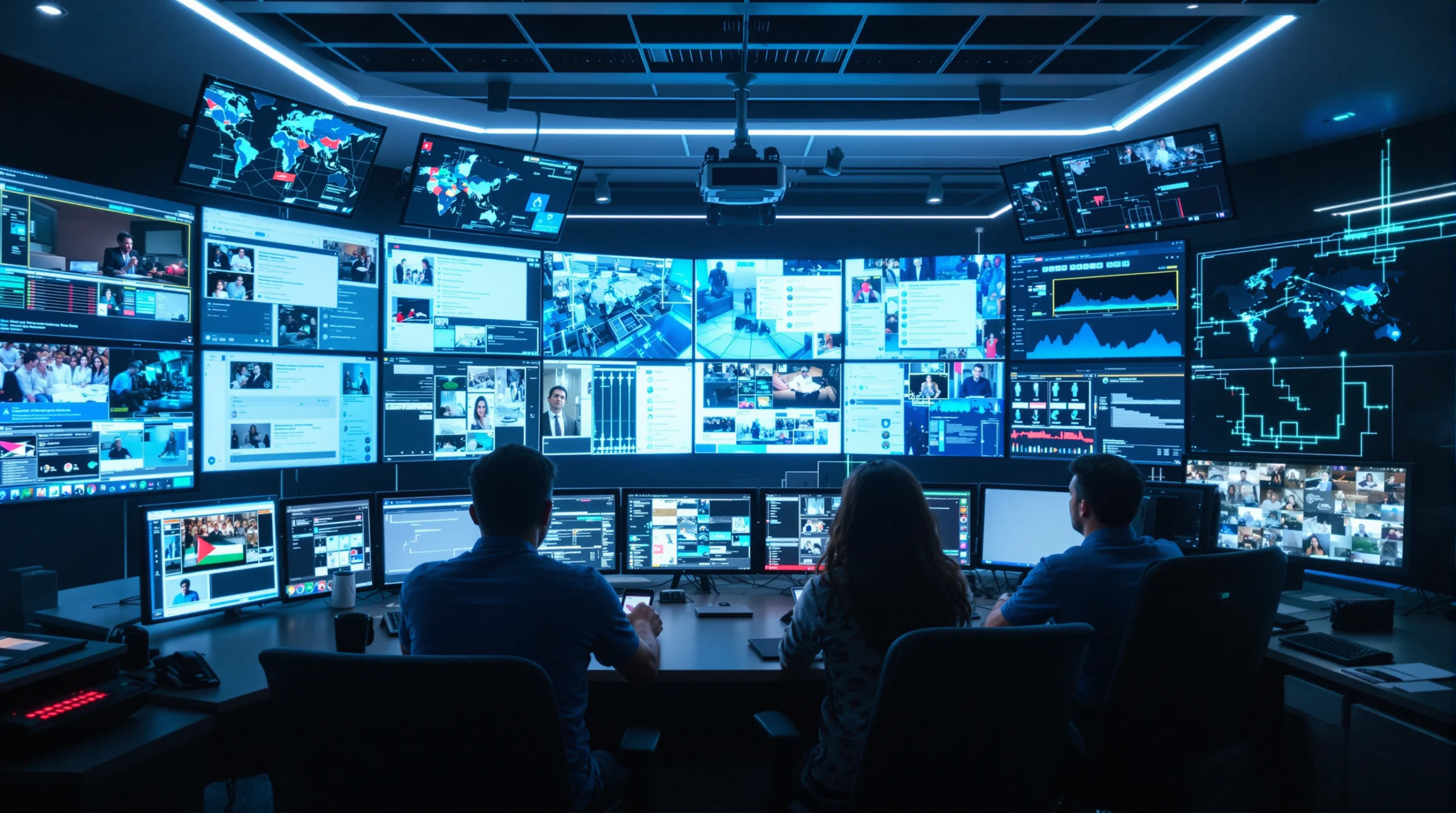
AI and Deportation: Navigating Trump’s Latest Controversy
AI and deportation have become hot-button topics as Trump’s controversial policies targeting students continue to make headlines. Let’s cut through the noise and answer the questions you’re really asking about this developing situation.
Is Trump Actually Using AI to Target Students for Deportation?
Yes, there’s a programme called “Catch and Revoke” that’s generating serious concern.
This AI system is designed to identify foreign nationals who might be classified as “pro-Hamas” based on their social media activity and appearances in news coverage.
The technology essentially works like this:
- AI algorithms scan social platforms and news sources
- The system flags content deemed supportive of Palestinian causes
- Students get labelled as potential security threats
- Visa revocation proceedings can follow
This approach marks a significant shift in how surveillance technology is being deployed in immigration enforcement. For students wondering how AI might affect their education journey, WhichAIForBusiness provides useful insights on how AI tools are reshaping various sectors, including education and immigration.
What Legal Authority Does Trump Have to Deport Student Protesters?
The legal framework is murky at best.
Trump has directed federal agencies to explore deportation grounds for foreign nationals with “terrorist ties” – an intentionally vague classification that gives authorities broad discretion.
The January executive order targeting antisemitism on campuses specifically mentioned:
- Creating watch lists of foreign students
- Investigating visa status of protest participants
- Expediting removal proceedings
Immigration law does give the government power to revoke visas on security grounds, but applying this to peaceful protesters treads into constitutionally questionable territory.
Many legal experts I’ve spoken with believe these measures would face significant court challenges, as research on immigration policy suggests that targeting political speech specifically runs counter to established legal precedents.
Has Anyone Actually Been Deported Yet Under This Policy?
While mass deportations haven’t materialised yet, there have been troubling individual cases.
Take Momodou Taal as an example. This student activist faced deportation threats directly tied to his participation in pro-Palestinian demonstrations. Rather than silencing him, the experience strengthened his resolve to continue speaking out.
What’s happening now:
- Several students have received notice that their visa status is “under review”
- Campus immigration offices report increased queries from worried international students
- Some universities have started offering legal counselling services
The threat alone has created a climate of fear, with many international students now self-censoring or avoiding political engagement altogether – exactly the chilling effect critics warned about.
How Accurate Is the AI Being Used?
Not very, and that’s a massive problem.
AI systems like the one being deployed have well-documented limitations when interpreting nuanced political speech. They struggle with:
- Distinguishing between supporting Palestinian rights and supporting Hamas
- Understanding cultural contexts and language nuances
- Recognising academic discourse versus political activism
False positives are inevitable in such systems. One computer science professor I spoke with compared it to “using a sledgehammer to perform surgery.”
The technology simply isn’t sophisticated enough for the task, leading to serious concerns about AI’s impact on civil liberties when deployed for surveillance purposes.
What Should International Students Do to Protect Themselves?
If you’re an international student concerned about these policies, there are practical steps you can take:
- Consult with your university’s international student office
- Speak with immigration attorneys who specialise in academic visa issues
- Be aware of your digital footprint across social platforms
- Connect with student advocacy groups for support
- Document all your activities if you choose to participate in demonstrations
Remember that knowledge is your best defence. Understanding your rights can help you navigate this challenging landscape while still participating in campus life.
For international students concerned about other ways AI might impact their academic experience, this resource explains how AI tools are changing everything from admissions to academic support.
Does This Policy Target Specific Religious or Ethnic Groups?
While officially the policy targets “pro-Hamas” sentiment regardless of background, in practice it disproportionately affects certain communities.
Students from:
- Middle Eastern countries
- Muslim-majority nations
- Areas with significant Palestinian populations
These groups report feeling especially targeted and under surveillance.
Civil rights organisations have drawn direct parallels to historical surveillance programmes like Operation Boulder from the 1970s, which specifically monitored Arab Americans. Those concerned about historical patterns in immigration enforcement should explore this analysis of policy trends to understand the broader context.
How Are Universities Responding?
University responses have varied dramatically.
Some institutions have:
- Issued statements supporting academic freedom and student rights
- Provided legal resources for affected students
- Refused to share student information without proper warrants
Others have taken more cautious approaches, with some even pre-emptively restricting campus protests or implementing their own monitoring systems.
The tension between maintaining federal funding and protecting student rights has created difficult choices for university administrators across the country.
What Happens Next with AI and Deportation Policy?
The intersection of AI and deportation policy is likely to remain contentious.
Several scenarios could unfold:
- Legal challenges that reach the Supreme Court
- Legislative attempts to limit surveillance technology in immigration
- Growing international pressure as other countries express concern
What’s certain is that this won’t be the last time we see AI deployed in immigration enforcement. The precedents being set now will shape policy for years to come.
For those interested in monitoring these developments, WhichAIForBusiness regularly updates its coverage on how AI technologies are being implemented in government operations and their real-world impacts.
AI and deportation policies targeting student activists represent a troubling convergence of technology and politics. By staying informed and understanding your rights, you can navigate these challenging waters while still standing up for what you believe in.