AI is everywhere, swiftly integrated into industries, but with these advancements come questions. How will this affect AI copyright laws in the UK, especially for those in the creative sectors? If you’re scratching your head over this, you’re not alone.
What Does AI Mean for UK Copyright Laws?
AI development is rising, and so are concerns about how this interacts with copyright laws. If you’re an artist or a tech enthusiast, you’ve probably wondered how these legal changes might impact your work or livelihood. Let’s explore.
Proposed Exception for Text and Data Mining: What to Know
If you’re an AI developer, imagine having easier access to data. The UK government is considering a new exception for text and data mining. Here’s the deal:
- AI developers might have the default ability to use copyrighted materials for machine learning.
- Rights holders can opt-out, which requires developers to obtain licenses.
While AI developers might find this useful, the creative industry raises flags, arguing it undermines their rights. For more on staying ahead in this fast-paced AI world, check out this insightful resource.
Transparency Requirements: Why It Matters
Wouldn’t you want to know who’s using your creation? Transparency is a big discussion point. The government suggests requiring AI developers to disclose:
- Which works and datasets they’ve used in AI training.
This ensures authors and rights holders have better control. But it’s a rocky road, with creators voicing concerns about potentially lost rights.
Creative Industry Concerns: What Are They Saying?
The Creative Rights in AI Coalition argues the new proposal might weaken creator rights. Picture this: you’ve crafted something unique, and it could be used without direct permission unless you actively say no. This has led to calls for:
- Enhanced transparency measures.
- Fair payment for the use of creative work.
From their perspective, it seems fair, doesn’t it?
Government’s Possible Changes
The government seems to be listening to these concerns. There’s chatter about making the opt-out policy UK-specific, meaning non-UK companies would need explicit rights holder permission. Could this shift help UK creators maintain better control?
This move could reshape the international scene, ensuring that the rights of UK creators are shielded. For ongoing updates on this evolving topic, visit here.
Parliamentary Intervention: What’s Their Role?
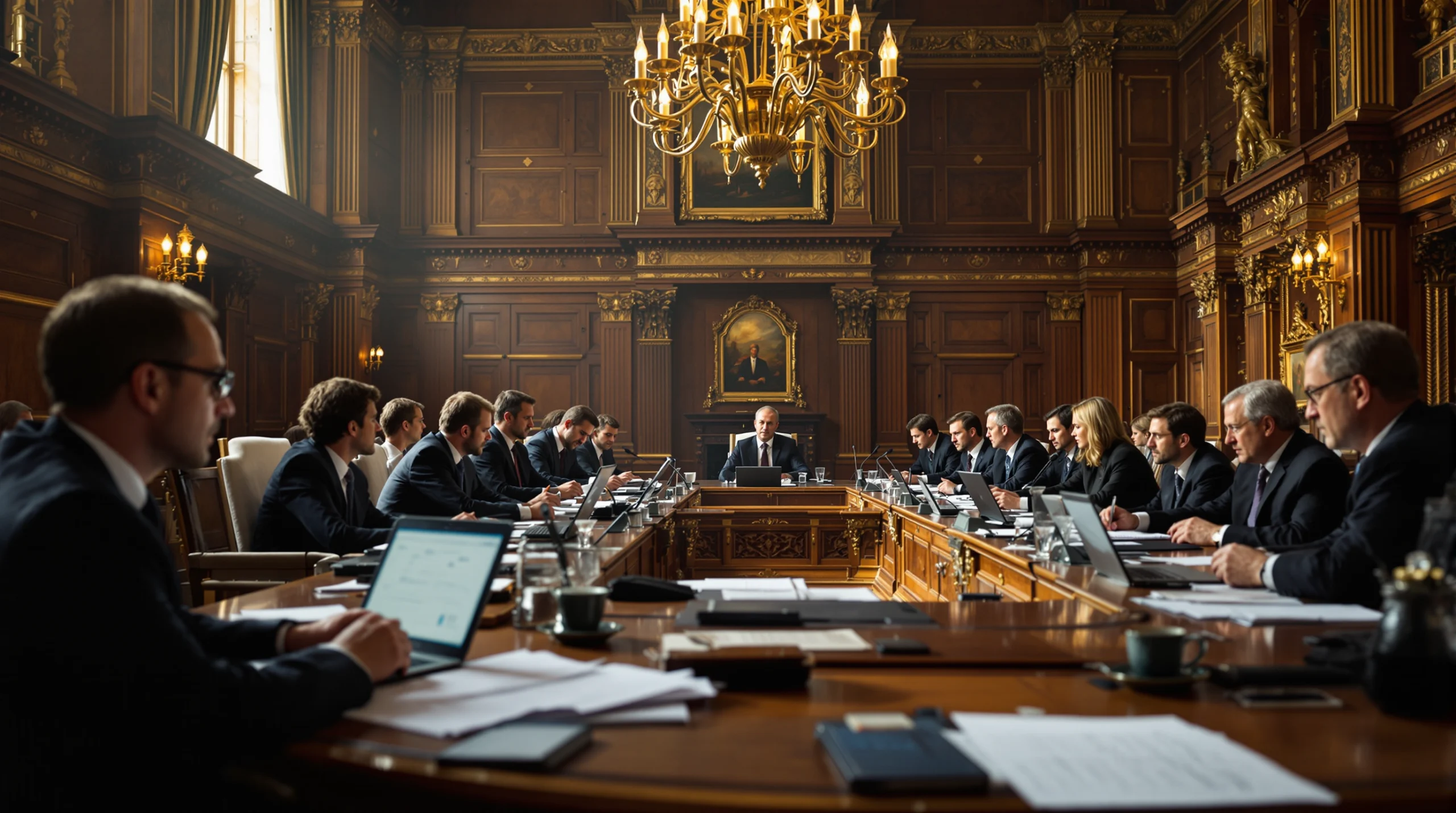
The Science, Innovation and Technology Committee, along with the Culture, Media and Sport Committee, are now a part of the conversation. Their primary focus is on:
- Boosting transparency.
- Ensuring fair compensation for creative work.
They’re arguing that loosening copyright protections might backfire on tech companies. It’s not just creative minds who should worry. Tech firms could eventually face consequences.
What’s Next in the AI and Copyright Debate?
We’re at a crossroads between fostering innovation and preserving creative rights. AI is a technological leap forward, opening new avenues, but we must also protect artists and creators. As this conversation evolves, we’re all in for a complex journey to find balance.
Are you hopeful this consultation will strike a balance where both technology and creativity thrive? For more context on thriving in today’s digital age, don’t miss this guide. Stay tuned to see how the UK government walks this tightrope, keeping an eye on both AI growth and AI copyright integrity.